A Turning Point and Empirical Reflection
An unexpected incident occurred during an interaction with a mainland Chinese resident residing in the Sai Kung area of the New Territories, identified by the initials PPY. The situation briefly led to a dispute that required the intervention of local police, before eventually being resolved peacefully and cooperatively.
While the matter was settled amicably, the experience offered a profound sociological reflection. It brought into sharp focus the complex social frictions, cultural differences, and the stark social and economic gap that exists in Hong Kong—not only between employers and migrant workers, but also within internal community dynamics and cross-cultural neighborhood tensions.
Reframing the Direction and Focus
Grounded in this empirical experience, I have decided to adjust the title and refine the core focus of the book. The narrative lens will now objectively and critically examine several key areas:
-
Internal Frictions and Neighborhood Dynamics: Examining how social friction extends beyond domestic employment into disputes with neighbors and cross-cultural residents (such as a neighbor with a Russian spouse), highlighting broader societal gaps and communication breakdowns within the community itself.
-
Extreme Disciplinary Practices and Emotional Impact: Documenting harsh parenting methods—including locking a child in dark storage rooms and inflicting physical discipline over four consecutive days—which frequently trigger severe distress, child outcry, and intervention from surrounding neighbors.
-
Defensive Responses and Emotional Intelligence Deficits: Analyzing how irrational, off-topic defensive arguments and an inability to process feedback reveal a sharp disconnect between formal academic credentials and real-world social-emotional intelligence.
-
Contractual Mismatches and Unclear Boundaries: Documenting the stark discrepancies between written employment contracts and the actual duties assigned on the ground.
-
Unpredictable Hours and Intrusive Resting Conditions: Highlighting the reality of irregular work schedules and constant infringement on personal space—where private rooms and night rests are frequently disrupted at the employer's whim.
-
Employer Egocentrism and Economic Vulnerability: Exploring how high employer egoism creates a harsh environment for workers who, constrained by economic pressures and a lack of alternative options, feel forced to endure these oppressive conditions.
-
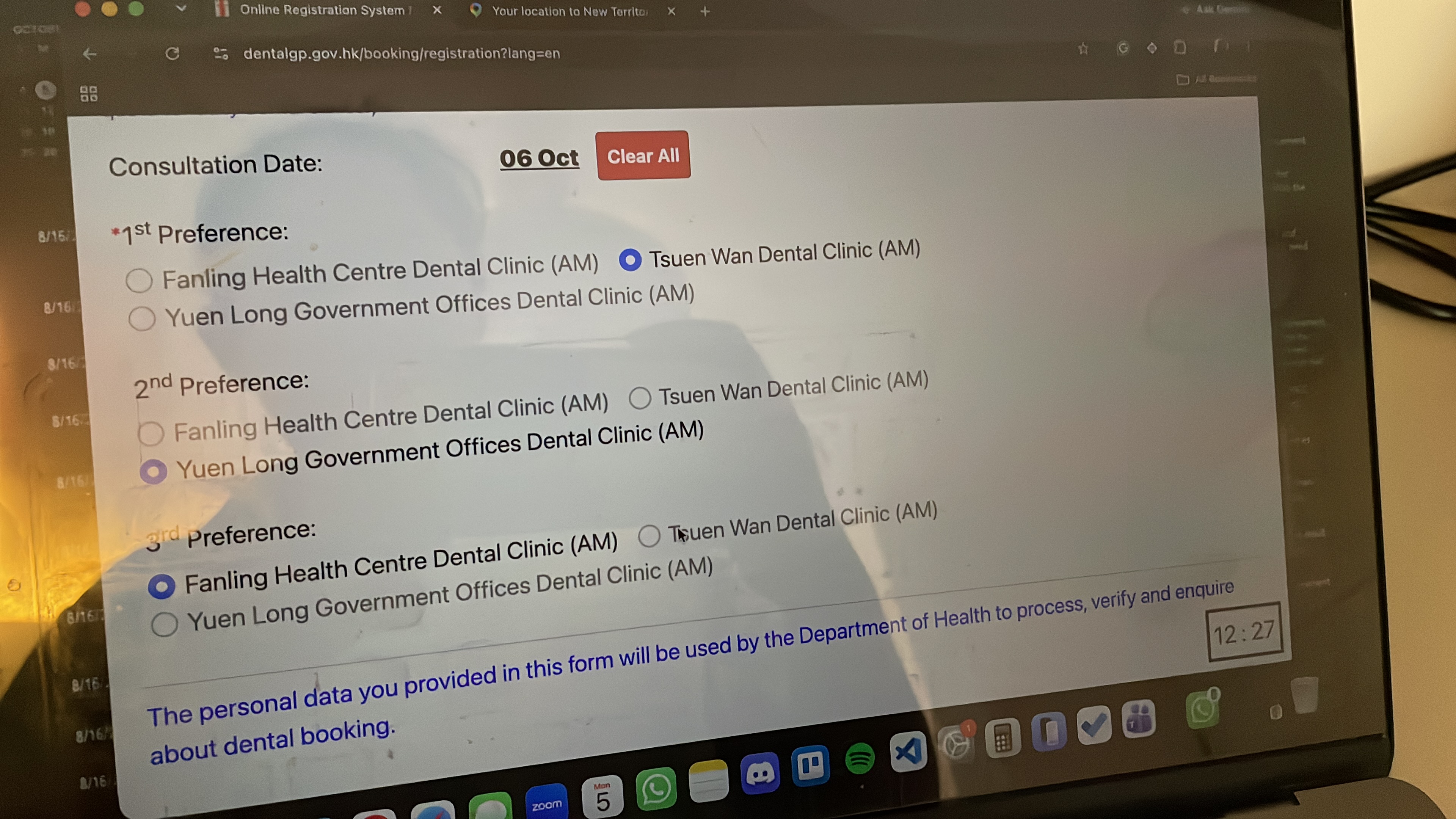
Contrasts in Healthcare and Medical Provisions: Examining paradoxical situations where an employer with a medical background (holding a Bachelor's degree in Medicine and pursuing a Master's in Traditional Chinese Medicine) still limits healthcare access—relying on state-funded lucky draw lotteries even for basic dental services.
-
Disregard for Personal Property, Boundaries, and Basic Etiquette: Highlighting a severe breach of basic etiquette, where a worker's high-value personal belongings (such as a MacBook Air) are taken and used without permission, and given to a child to play with without any parental restriction.
-
The Reality of Socio-Economic Inequality & Power Structures: Portraying how differences in economic status, class, and authority erect clear boundaries and subtle tensions in daily interactions, leaving migrant workers in vulnerable positions when navigating local power structures.
Through this reframing, I hope the book becomes a more honest, sociologically rich, and deeply relevant work that reflects the true realities faced by migrant workers on the international stage.
The draft revision is currently underway with careful attention to ensuring that the narrative remains objective, constructive, and ethical. Thank you for your continued support and interest in the journey of this book.
0 Komentar
Tinggalkan Komentar
Komentar akan ditampilkan setelah dimoderasi.